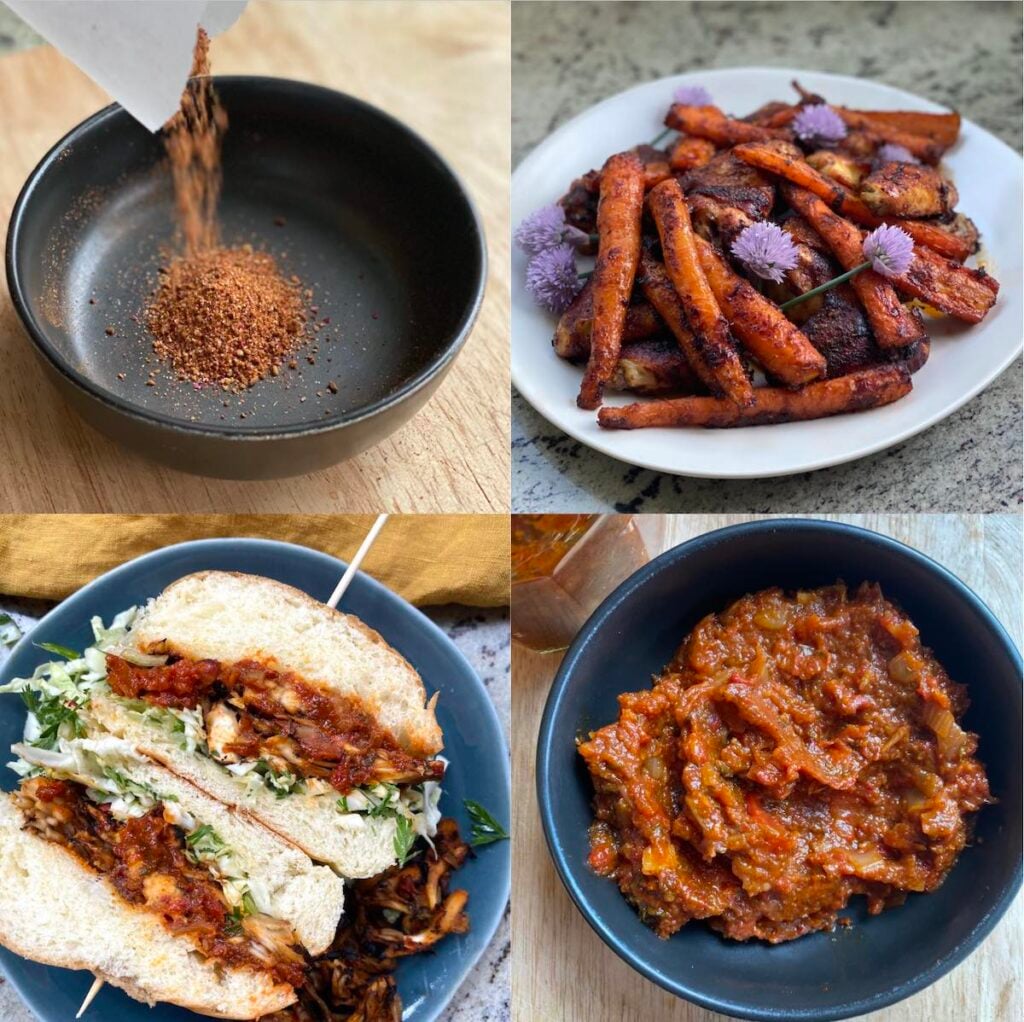
How to Cook Mushrooms: My 7 Favorite Varieties + Easy Recipes & Tips

Discover my 7 favorite specialty/gourmet mushrooms to cook with and why I love them. This guide includes easy methods, quick no-recipe ideas, and the recipes I turn to most — perfect if you want to cook mushrooms more often but aren’t sure where to start.
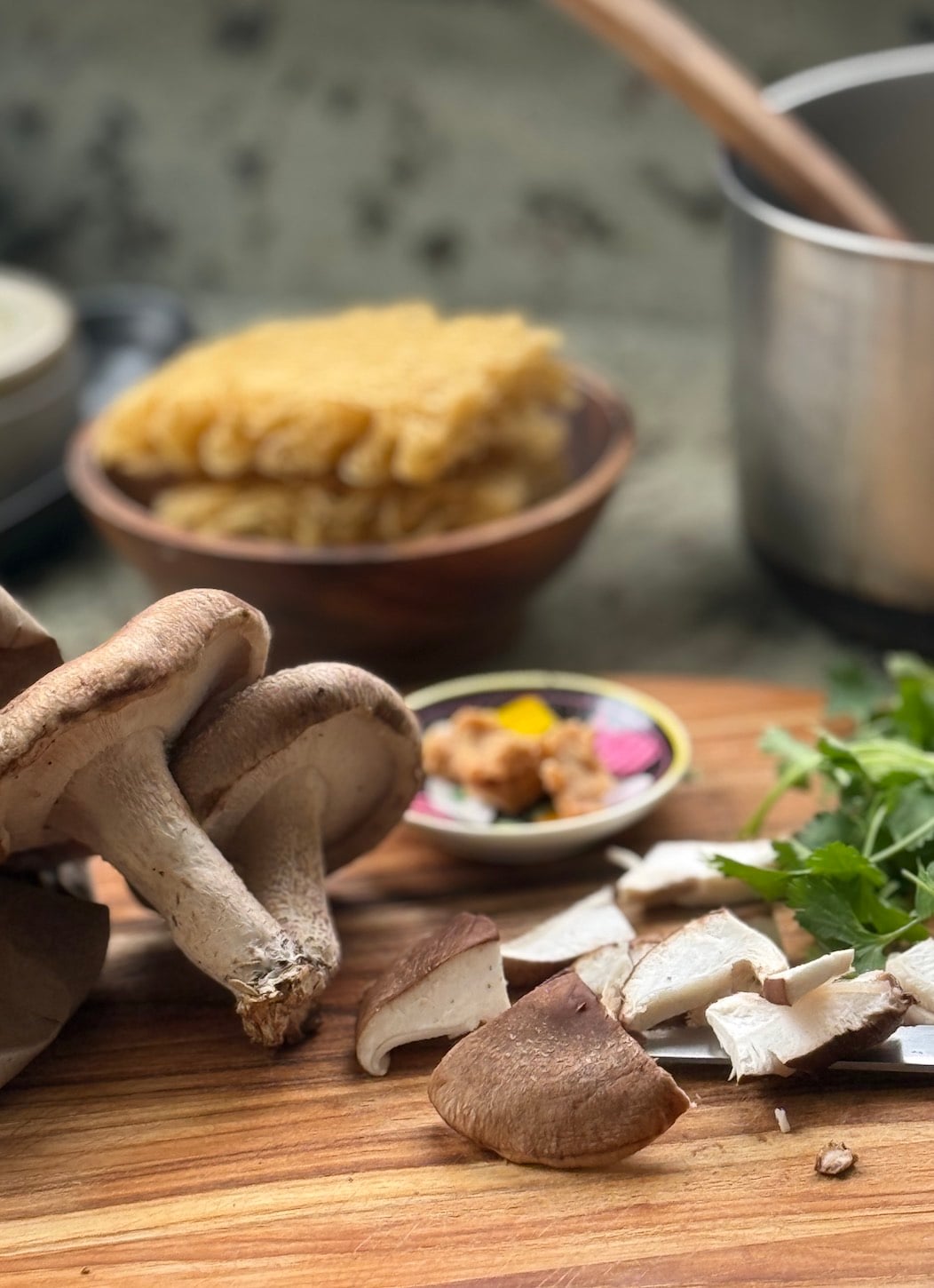
This is my practical guide to the 7 mushrooms I reach for most often in my kitchen. If you want to cook more mushrooms but aren’t sure how to get started, this is for you. I focus on simple, reliable methods I’ve found work well, both quick no-recipe ideas and the recipes I make often. This is not a nutritional or wild mushroom identification guide. Rather, it’s how I make mushrooms taste great in my every day life, plus a few bits of info and tips!
Important Note: Eating Mushrooms Raw
Cooking mushrooms improves both flavor and digestibility, which is why I focus on quick, high-heat methods like dry sautéing, roasting, or grilling throughout this guide.
The main reason is that mushrooms contain a tough, prebiotic fiber called chitin that can be harder for some people to digest when raw. Cooking helps break this down, making the mushrooms easier on the stomach and more flavorful. Another reason to cook most mushrooms before using, is based on how mushrooms are grown in dirt. For these reasons, I only use cooked mushrooms in my recipes.
A few varieties — white button, cremini, and portobello (all the same species at different stages of growth) — are generally fine to eat raw in small amounts after properly cleaning. For most other mushrooms (like shiitake, oyster, lion’s mane, beech, etc.), I recommend cooking them, even for marinating or use in salads.
Cleaning and Storing Mushrooms
I keep it simple: wipe fresh mushrooms clean with your hands, a damp paper towel, or soft brush instead of rinsing them under water. They act like sponges and can become soggy if soaked.
Packaged mushrooms usually are free of most dirt, but bulk mushrooms often still have the base of the stem with dirt on it. Trim that first, then dust off any other dirt. That said, it’s perfectly ok to run a mushroom under water to wipe it clean if you get one with dirt all over it. It happens.
For storage, I place them in a paper bag or loosely wrap them in a dry kitchen towel to store in the fridge. This allows air circulation and helps prevent them from getting slimy. I try to use them within 5–7 days for the best texture and flavor. After a week, they start to dehydrate. They won’t look as pretty, but cook up fine (I’ve kept mushrooms 2 weeks before using, often).

The Secret to Golden, Flavorful Mushrooms
Mushrooms contain a lot of water. If you add too much olive oil or butter at the beginning, they tend to steam in their own liquid instead of browning nicely. I’ve had much better results by starting on high heat with space in the pan, letting them release and cook off their moisture first, and only adding oil or butter once the pan starts to dry out. This simple step gives them beautiful color and much deeper flavor.


The Cost of Specialty Mushrooms
Depending on your location and where you shop, specialty mushrooms can vary widely in price. I have found the best prices at dedicated Asian grocery stores or a local produce outlet where overhead is low and frequent trips to nearby city wholesalers is made. You are likely to pay more at standard grocery stores, or specialty grocers like Wholefoods or natural food COOPS.
Overall, buying where they are sold in bulk is better for pricing, like shown below, not prepackaged like shown in the top of the second photo. That said, it’s not uncommon for specialty mushrooms to cost $19.99/lb or more. See below sections for individual mushroom price ranges.

Bulk mushrooms at a high end food COOP. 
Packaged and bulk mushrooms at a produce outlet.


Helpful Tip
Basic white mushrooms, cremini (a.k.a. baby bellas), and portobellos are all the same species of fungi, in different stages of growth, hence the similar look and flavor. The larger the species, the less watery, and more flavorful they are.
My 7 Favorite Mushrooms & How I Cook Them
Below I highlight the mushrooms, why I love them, and how I prepare them quickly, without a recipe, as well as why they are a favorite mushroom to cook with.. I also make note of the mushroom prices, which vary as per the section above on cost:
Cremini.
– My go-to everyday mushroom. Bigger and more flavorful than basic white button, yet, smaller and easier to handle than a portobello, depending on the recipe/use.
Why it’s a favorite: nice medium size, sturdy, easy to work with, readily available, better texture (meaty, not spongy) than white mushrooms with more flavor. Less expensive than others.
Quick no-recipe ideas: slice and dry sauté with garlic, thyme, adding bit of fat (oil or butter) at end or roast at 425°F until golden and caramelized.
Price range: $5-$10.49/lb.


Beech.
– Beech (Bunashimeji) mushrooms come in small, cute clusters with long stems and a mild, nutty flavor. They stay surprisingly crunchy even when lightly cooked.
Why it’s a favorite: their crunch and quick cooking time make them fun and easy to add to meals, serve on the side, or toss into ramen. Easy to grab at Asian markets. Small size and delicate flavor.
Quick no-recipe ideas: add to salads or slaw for crunch, after a quick sauté in a hot pan.
Price range: $15.99-22.82/lb (often sold 3.5 oz for $4)
King Oyster.
– Thick, firm stems and a small cap, with a mild flavor — they have an almost steak-like texture when cooked right. Mild flavor.
Why it’s one of my favorites: their hearty, meaty texture makes them incredibly satisfying, and easy to prep, be it shredding, slicing, or grilling whole.
Quick no-recipe ideas: slice across the stem thickly, into scallop like medallions, sear, and serve as you would scallops, or grill outside whole or sliced and baste as you would a steak.
Price range: $20+/lb (often sold 3.5 oz for $4.99-$5.50)


Shiitake.
– Deep, concentrated umami flavor with meaty caps, and a very nice, satisfying texture (tough stems are discarded). More exotic and expensive (Japan origin).
Why it’s one of my favorites: the rich, naturally savory flavor. It’s small-medium size makes it easy to slice and use in various dishes. It really holds up, seems almost tough, but has a perfect meaty chew.
Quick no-recipe ideas: roast the pretty caps (tough stems removed) with a bit of olive oil, rosemary, and garlic for a showstopping side, topped with crunchy sea salt flakes.
Price range: $11.50-$22.82/lb.
Portobello.
– Portobello are the large, meaty caps many people already know as “burger” mushrooms.
Why it’s one of my favorites: their substantial size and satisfying texture make them easy to use for specific uses like burgers or “bacon”. Easy to buy just one and puree into a soup, for added flavor.
Quick no-recipe ideas: season with a flavor profile you like (harissa, thyme/lemon, cajun), grill or roast whole as a steak or burger substitute. Great addition to a pan of roasted vegetables, sliced, or cubed.
Price range: $3.50-$8.99


Oyster.
– Oyster mushrooms have delicate fan-shaped caps and a mild, slightly sweet flavor. They can be torn into shreads, or delicately separated into larger, fan shapes, depending on the use.
Why it’s one of my favorites: they cook quickly and get beautifully crispy at the edges. Pleasant, mild flavor.
Quick no-recipe ideas: tear into strips and roast or pan-fry until the edges crisp up. Shred by hand and season for use as vegan taco filling.
Note: maitake (hen of the woods) makes a wonderful alternative here — they are both fan shaped mushrooms with multi layered frilly clusters that crisp up when cooked.
Price range: wide ranging from $8.50-19.99/lb.
Lion’s Mane.
– Lion’s Mane has a unique fuzzy looking cap and as such, pulls apart into crab-like strands with a mild, seafood-like texture.
Why it’s one of my favorites: the texture is forgiving, but similar to seafood. That said, it slices and sautes well also, and holds up in a stew. It’s structure holds up to slicing, but when cooking, it browns fast. So easy.
Quick no-recipe ideas: easy to add to sauces and stews, without any prep other than pulling apart into shreds.
Price range: $15.99-19.99/lb


Easy No-Recipe Cook Methods
The same high-heat, simple technique that makes my popular Pan Seared Lion’s Mane Recipe so good also works beautifully with other varieties. With or without a recipe (jump to recipes shown at bottom of post), try cooking your mushrooms in one of the following ways, for a delicious side dish, small meal or topping. Here are my go-to no-recipe methods:
- Roasting / Sheet-Pan – my fav way to cook mushrooms. Cook in preheated oven at 425°F for 15–25 minutes. Because mushrooms contain so much water, barely drizzle them with oil, so that they can properly release the moisture and brown for great flavor. Thinner slices (1/4″ or less) will dehydrate and crisp up quickly, making a great soup or salad topping. Thicker slices or chunks lend a more meaty result, like in my Miso Pesto Roasted Vegetables Over Jasmine Rice.
- Pan-Searing – use medium-high heat, sear in a single layer with space in between, in a cast iron pan with a couple drizzles of olive oil for golden, crispy edges. Great for simply seasoned 1/4″ slices , thick “steaks” of portobello, or whole Lion’s mane “steaks” (press down if using entire mushroom). Smaller enoki and delicate oyster/maitake pieces sear well also, just quicker, and as such, make great crispy toppings. Watch closely, some will sear in less than 2 minutes per side.
- Shredding & Marinating – Tear into strips, marinate, then sear or roast. Perfect for jerky-style texture or tacos. I love this method for prepping mushrooms, and often pair them with shredded tofu for a juicy, flavorful, ground meat style result, for taco filling or the “meat” in a rice bowl meal.
- Grilling – Brush with oil and grill outside for 5 min or so each side, for smoky flavor. Works especially well with maitake and king oyster “steaks” as long as the spaces between the rungs of your grill are pretty close together. Consider using some liquid smoke (not scary- it’s a natural product). It’s a great way to add depth of flavor to grilled vegetables.
- Drop in cook method – raw sliced mushrooms cook wonderfully when dropped into a soup. Enoki mushrooms are a favorite for this application by dropping them into ramen or broth soup right at the end so they stay slightly crisp, but add their delicate bite (they are a thin mushroom).

A clump of fresh enoki mushrooms unpackaged

simple dairy-free mushroom soup adorned with crispy roasted enoki and portobello mushroom “chips”


My Favorite Mushroom Recipes
Here are some of my most loved mushroom recipes to try. Many mushroom substitutions are possible and are listed in the notes section at the bottom of the recipe cards for the individual recipes:
Sheet Pan Roasted
- Sheet Pan Lamb Shish Kebab (cremini)
- Miso Pesto Roasted Vegetables (shiitake)
- Harissa Mushroom Jerky (portobello)
- Miso Herb Roasted Chicken (shiitake)
Soups
- Creamy Shiitake Mushroom Soup (shiitake)
- Miso Pesto Minestrone (shiitake)
Hearty Mains & Bread
- Veggie Satay With Thai Coconut Yogurt Dressing (portobello)
- Tofu Stuffed Butternut Squash (shiitake)
- Vegetable Focaccia (shiitake)
Wraps, Tacos & Burgers
- Tofu & Mushroom Lettuce Wraps (king oyster + cremini)
- Grilled Maitake Mushroom Burger (hen of the woods)
- Harissa Mushroom Mini Tacos (portobello)
Salads
- Spicy Sesame Marinated Mushrooms (beech)
- Asian Coleslaw with Spicy Marinated Mushrooms (shiitake)
Using Dried Mushrooms as a “Spice”
Dried mushrooms — especially shiitake — are one of my favorite pantry staples. I often grind them into a fine powder and use it like a seasoning for instant umami depth. You’ll find mushroom powder in my Furikake seasoning and Asian spice blend. It’s an easy way to boost flavor in soups, rubs, marinades, and sautés without much extra work.
Bonus tip from my kitchen: A sprinkle of dried shiitake powder (or as used in my Furikake or Asian spice blend) boosts umami in almost any of these dishes.
Parting Words
Mushrooms have such an amazing range of textures and flavors once you know how to cook them. I hope the tips, methods, and recipes here inspire you to experiment with lion’s mane and other specialty varieties in your kitchen. Whether you use them off the cuff with one of my “no-recipe” ideas or cook up a storm with one of my dedicated mushroom recipes, you’ve got a star ingredient to work with.

FAQs
No — I recommend wiping them with a damp paper towel or soft brush instead of rinsing. Mushrooms absorb water easily and can become soggy.
I usually start on high heat to release their moisture and develop browning, then adjust as needed. This prevents steaming and gives much better flavor and texture.
Button, cremini, and portobello are generally fine in small amounts, but I recommend cooking most other varieties (like shiitake, oyster, lion’s mane, etc.) for better digestibility and flavor.
I try to use them within 5–7 days. Store them in a paper bag or loosely wrapped in a dry towel so they can breathe.
Dry sauté them first to brown, or add a pinch of my dried shiitake powder (from the Furikake or Asian spice blend) for instant depth.
Yes — cremini and shiitake are quite interchangeable in most recipes. Oyster and maitake can often stand in for each other when you want a more delicate or frilly texture.
Not all. Some like those in this post, can be grown on composting material such as saw dust (they are saprophytic), but other wild mushrooms appear more exotic because they are mostly foraged from trees and stumps in the wild, and as such, cannot be commercially cultivated (mycorrhizal)